Thermocol Recycling in India: A Sustainable Approach by K. K. Nag
Expanded Polystyrene (EPS), commonly known as thermocol in India, is widely used for protective packaging across industries such as electronics, automotive, appliances and industrial equipment. Its lightweight structure and shock-absorbing properties make it a practical solution for transporting fragile products safely.
Table of Contents
- 01. What is EPS (Thermocol)?
- 02. Use Cases of EPS Packaging
- 03. The EPS Waste Problem in India
- 04. Why EPS Recycling is Difficult
- 05. How EPS Recycling Works
- 06. K. K. Nag’s Leadership in EPS Recycling
- 07. How to Connect with K. K. Nag for EPS Recycling
- 08. Environmental and Business Benefits of EPS Recycling
- 09. Conclusion
However, while EPS packaging provides clear functional advantages, its disposal presents significant challenges when recycling systems are not properly established. India produces over 3.5 million metric tons of plastic waste annually, yet recycling rates for these materials often hover around only 20 percent. Much of this waste ends up in landfills due to limited collection and infrastructure. As a long-standing expanded polystyrene manufacturer India turns to for high-quality solutions, K. K. Nag focuses on the entire lifecycle of its products to address thermocol waste management effectively.
What is EPS (Thermocol)?
EPS stands for Expanded Polystyrene, a lightweight foam plastic material produced by expanding polystyrene beads. In India, EPS is commonly referred to as thermocol.
The material has several distinct characteristics:
- Lightweight and foam-like structure
- Composed mostly of air (around 95–98%)
- Strong shock absorption properties
- Effective thermal insulation
- Durable yet lightweight packaging solution
Because of these properties, thermocol packaging is widely used to protect fragile goods during transport. Industries ranging from consumer electronics to automotive components rely on EPS packaging to reduce damage during shipping and handling.
Manufacturers that specialise in this material, including expanded polystyrene manufacturers, supply packaging solutions designed to meet the protective needs of modern supply chains.
Use Cases of EPS Packaging
EPS packaging plays a crucial role in several industries due to its protective and insulating capabilities.
Common applications include:
- Protective packaging for electronics and appliances
- Automotive component packaging
- Insulated boxes for temperature-sensitive products
- Industrial equipment protection during transport
- Packaging for fragile goods and precision components
These applications explain why thermocol packaging continues to be widely used across manufacturing and logistics sectors.
The EPS Waste Problem in India
India generates a substantial amount of waste daily, surpassing 160 thousand metric tons in recent years. Within this, Maharashtra is the largest producer of municipal solid waste, generating over 22,500 metric tons per day. While EPS is recyclable, its disposal often becomes problematic.
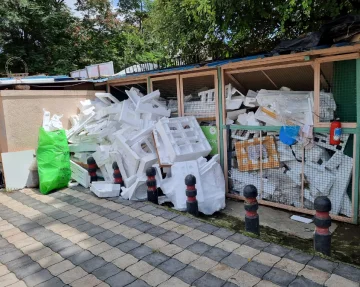
Transporting uncompressed thermocol is inefficient because the material is exceptionally bulky. Large volumes of thermocol waste can accumulate quickly in warehouses, factories, and distribution centres.
Second, EPS waste is often mixed with other materials, making segregation more difficult in traditional waste systems.
As a result, thermocol packaging waste frequently ends up in landfills. In some cases, it may even be burned as a disposal method, which can lead to environmental pollution.
Environmental impact of unmanaged EPS waste
Improper disposal of thermocol waste can create several environmental challenges:
- EPS does not naturally biodegrade.
- It can contribute to long-term landfill accumulation.
- Broken fragments can create microplastic pollution.
- Improper disposal can affect land and water ecosystems.
These concerns highlight the importance of establishing effective recycling systems for EPS packaging.
Why EPS Recycling is Difficult
Although thermocol recycling is technically possible, it requires proper infrastructure and organised collection systems. Many business partners ask how to recycle thermocol in India when the material is so bulky.
Several factors make the process challenging:
- The material occupies large storage volumes before compression
- Transportation is inefficient without densification equipment
- EPS waste is often mixed with other plastics or contaminants
- Waste segregation systems are still developing in many regions
Because of these factors, successful recycling requires structured processes, proper equipment and a long-term commitment from manufacturers.
How EPS Recycling Works
EPS recycling follows a systematic process that converts waste material into reusable resources.
The typical recycling process includes several stages:
- Collection of used EPS
Waste EPS packaging is collected from industrial sites, warehouses, and communities. - Sorting and cleaning
The collected thermocol waste is inspected and cleaned to remove contaminants. - Compression or densification
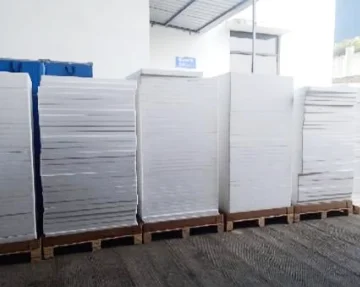
EPS is compressed to reduce its volume significantly, making transportation more efficient. - Shredding
The compressed material is shredded into smaller pieces. - Reprocessing
The shredded EPS is processed and converted into reusable material that can be used in manufacturing.
Through compression, the volume of EPS waste can be reduced by up to 90 per cent, making recycling and transportation more practical.
The recycled material can then be reused in manufacturing processes, supporting circular material use.
K. K. Nag’s Leadership in EPS Recycling
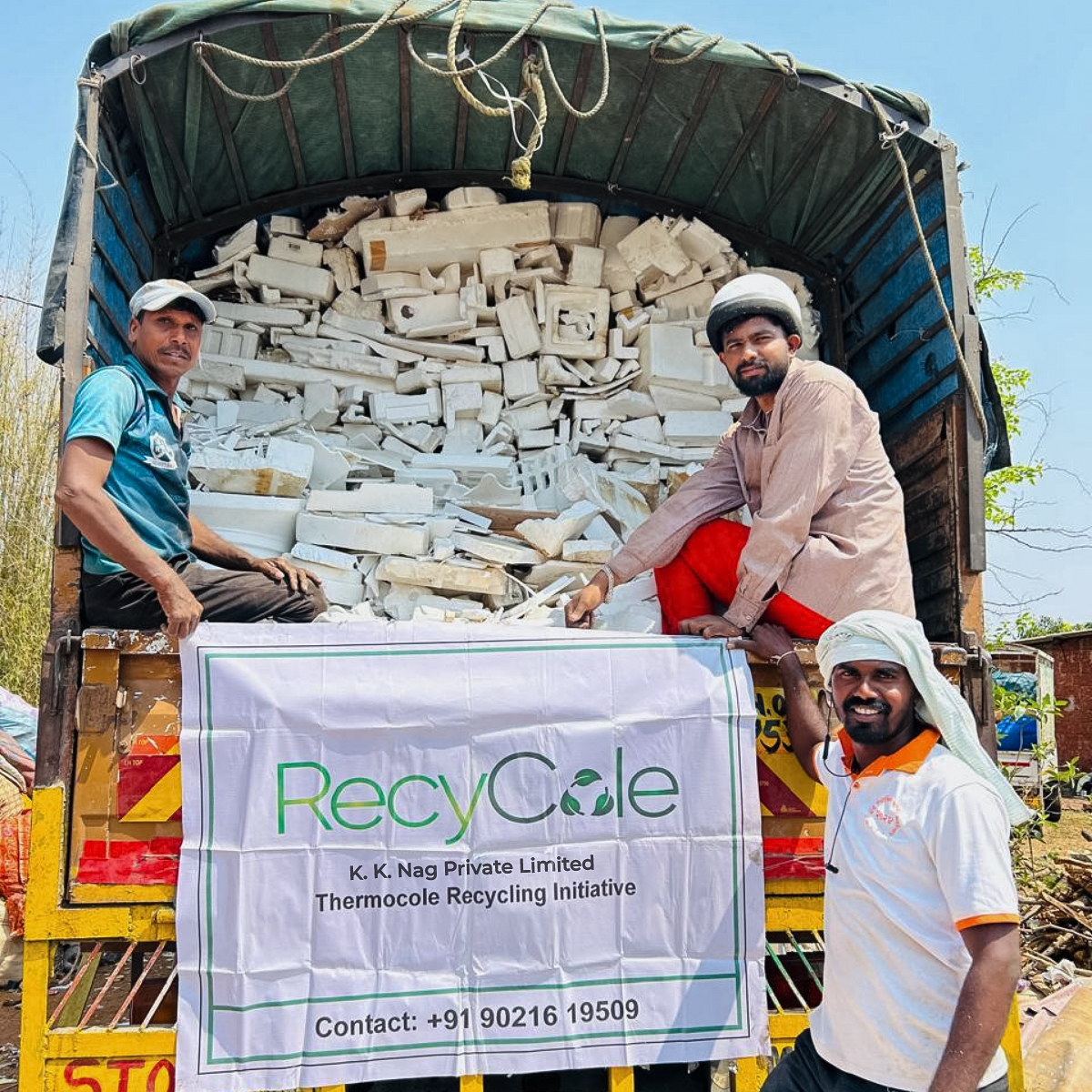
Recognising the need for responsible waste management, K. K. Nag has established a structured system through its RecyCole initiative. The programme focuses on collecting and processing waste in an organised manner so that it can be reused instead of being sent to landfills.
By operating a specialised EPS recycling plant India can look to for sustainable waste solutions, the company has successfully diverted more than 1500 tonnes of EPS waste from landfill disposal. This initiative has made a substantial environmental impact, preventing more than 12,000 tonnes of greenhouse gas emissions. This programme also provides dedicated support for thermocol recycling for Pune businesses that need to meet their sustainability goals.
The recycling program operates through a systematic process:
- EPS waste is collected from industries and communities
- The material is transported to the recycling facility
- Waste thermocol is processed using mechanical recycling systems
- Recycled material is returned to manufacturing applications
This structured approach helps ensure that EPS packaging waste is managed responsibly and returned to productive use.
The initiative also demonstrates how expanded polystyrene manufacturers can play a role in supporting sustainable material cycles.
How to Connect with K. K. Nag for EPS Recycling
Industries and organisations generating thermocol packaging waste can connect with K. K. Nag through the RecyCole initiative to support recycling efforts.
The process is designed to be straightforward.
Companies can contact the organisation to arrange waste collection. This collection is supported by government bodies, NGOs, housing societies, industries, individual contributors and our own team members. Once gathered, all material is sent to our dedicated EPS collection centres for recycling.
The system is designed to support bulk EPS disposal from industrial operations where thermocol waste is generated regularly.
By participating in structured recycling programs, businesses can ensure that thermocol waste is handled responsibly and diverted away from landfill disposal.
Environmental and Business Benefits of EPS Recycling
EPS recycling provides advantages for both the environment and businesses that adopt responsible waste management practices.
Environmental benefits
- Reduced landfill waste
- Lower environmental pollution
- Conservation of raw materials
- Support for circular material use
Business benefits
- Improved sustainability practices
- Better regulatory compliance
- More responsible packaging lifecycle management
- Long-term operational efficiency
When recycling systems are properly implemented, thermocol waste can be transformed from a disposal challenge into a reusable resource.
Conclusion
EPS packaging continues to play an important role in protecting products across industries. Its lightweight structure, durability, and insulation properties make thermocol packaging a practical solution for transportation and storage. However, managing EPS waste responsibly is essential to reducing environmental impact.
Although thermocol recycling presents logistical challenges due to the material’s bulk and the need for proper collection systems, structured recycling processes make it possible to recover and reuse EPS effectively. When waste is collected, compressed, and reprocessed, the material can return to manufacturing instead of accumulating in landfills.
In India, industry-led initiatives are helping build more organised recycling systems for EPS waste. Efforts that focus on responsible waste collection and recycling demonstrate how K. K. Nag contributes to improving waste management practices as a leading expanded polystyrene manufacturer India relies on.
The RecyCole initiative currently provides essential support for thermocol recycling in Pune, Chennai and Puducherry for businesses to meet their sustainability goals. By diverting significant volumes of thermocol waste from landfill disposal in these regions, structured recycling programmes highlight the importance of circular material use in modern manufacturing. As recycling infrastructure continues to improve, responsible handling of EPS packaging can support both environmental protection and sustainable industrial practices across the country.
Help keep EPS out of landfills
Donate your EPS packaging through the RecyCole programme and contribute to a circular economy.
Visit our RecyCole page to know more about
Featured Blogs
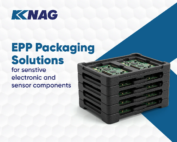
EPP Dunnage Solutions for Sensitive Electronic and Sensor Components
Modern electronics manufacturing relies on the continuous movement of sensitive components between suppliers, production facilities and assembly plants. Printed circuit board (PCB) assemblies, sensor modules, electronic control units [...]
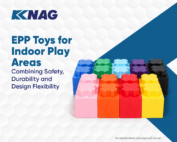
EPP Toys for Indoor Play Areas: Combining Safety, Durability and Design Flexibility
Indoor play spaces have evolved far beyond simple playrooms with a handful of toys. Today's schools, daycare centres, activity zones, children's museums and family entertainment centres are creating [...]
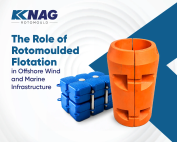
The Role of Rotomoulded Flotation in Offshore Wind and Marine Infrastructure
Offshore renewable energy is ushering in a new phase of growth as countries invest in cleaner power generation and strong coastal infrastructure. Alongside offshore wind farms, marine industries [...]
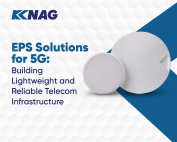
EPS Solutions for 5G: Building Lightweight and Reliable Telecom Infrastructure
The global rollout of 5G networks is transforming industries by enabling faster connectivity, lower latency and support for emerging technologies such as the Internet of Things (IoT), autonomous [...]
Get in Touch with Us
We look forward to connecting with you!