The Importance of Thermocole Recycling for Sustainable Packaging Solutions
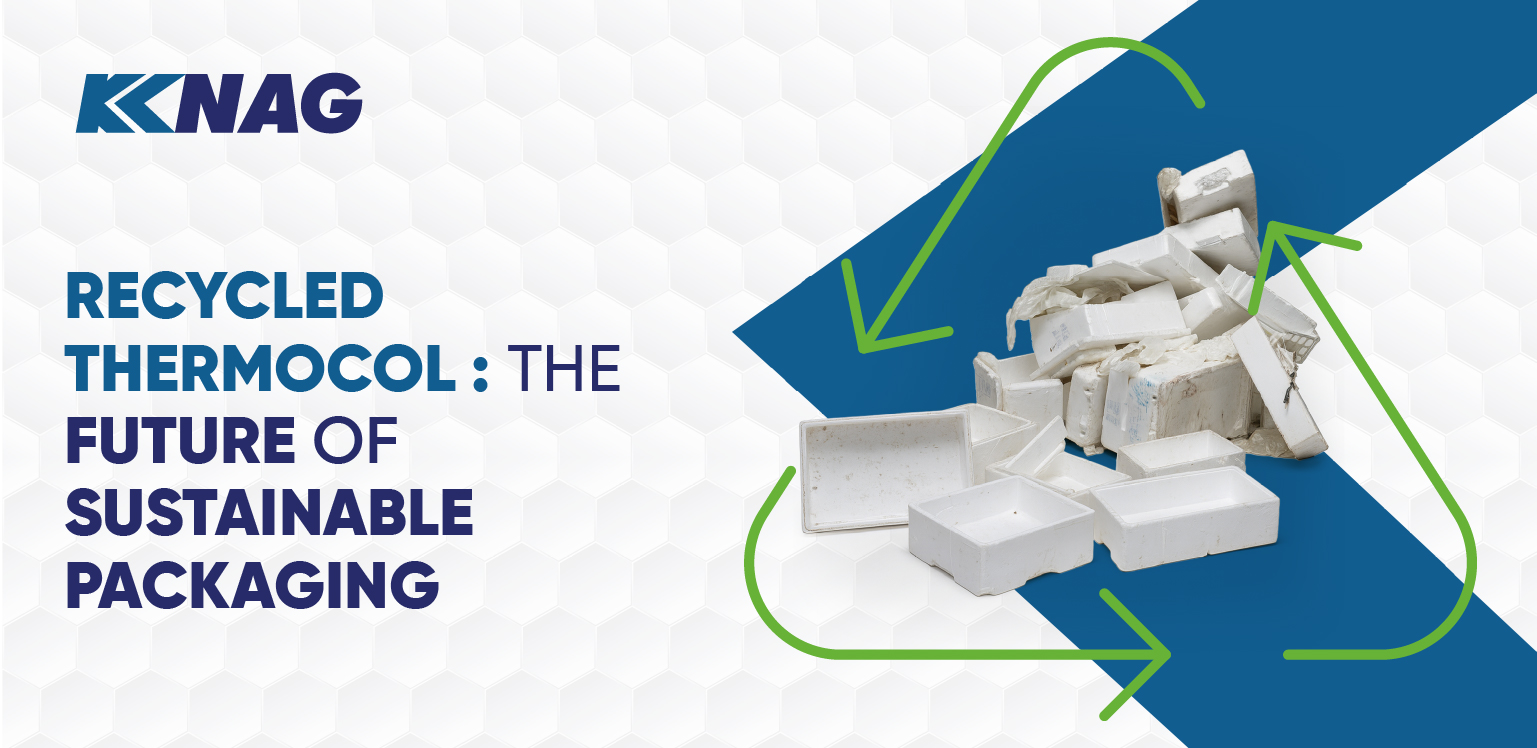
As the world deals with increasing environmental challenges, traditional packaging materials have come under scrutiny for their detrimental impact on ecosystems. Expanded Polystyrene (EPS) or Thermocol is no exception. However, a crucial fact many overlook is that EPS is 100% recyclable. Unlike many materials, EPS can be processed into new products of the same caliber, reducing waste and conserving resources. Recycling EPS minimises its environmental footprint and supports sustainable packaging innovations, making it a key solution in addressing the waste management crisis.
Table of Contents
- 01. Understanding Thermocol and Its Environmental Impact
- 02. Thermocol Recycling Processes
- 03. K. K. Nag Private Limited’s RecyCole Initiative
- 04. Challenges and Solutions in Thermocol Recycling
- 0.5 Global Perspectives on Thermocol Recycling
- 06. How Individuals and Organisations Can Contribute
- 07. Conclusion
- 08. Engage with RecyCole and Lead the Way in Sustainability
Understanding Thermocol and Its Environmental Impact
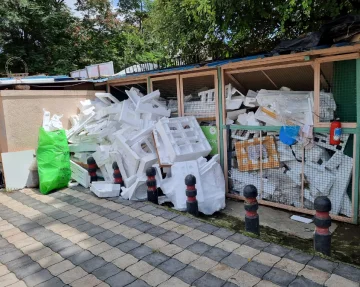
Thermocol is a lightweight plastic foam used in packaging primarily due to its premium insulating properties. However, Thermocol that has been inappropriately disposed of has been polluting the environment for thousands of years [1]. Thermocol waste is also hazardous for wildlife as many animals and birds accidentally consume microparticles of EPS. Recycling thermocol effectively will reduce this environmental footprint and lead to a circular economy where materials are reused rather than discarded.
Thermocol Recycling Processes
Mechanical recycling, chemical recycling, and energy recovery are popular thermocol recycling methods. Mechanical recycling is the most efficient and environmentally friendly of the three.
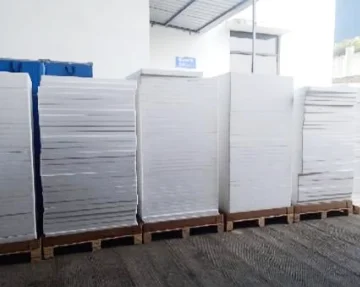
The recycling process for Thermocol begins with systematically collecting and thoroughly cleaning the waste material to ensure quality output. This waste is then processed using specialised machinery that shreds it into smaller particles and separates out the dust, preparing it for reintegration. These particles are blended with virgin EPS material in precise proportions, enabling the production of high-quality, durable new products. This advanced recycling technique minimises waste and upholds EPS’ performance standards, ensuring its continued utility across various industries [2].
K. K. Nag Private Limited’s RecyCole Initiative
The RecyCole initiative introduced by K. K. Nag Private Limited in 2021 has simplified the difficult logistics process in Pune, Chennai and Puducherry for Thermocol consumers. This initiative focuses on creating a sustainable ecosystem for Thermocol waste management.
RecyCole facilitates effective waste collection and recycling by partnering with local waste collection organisations and municipal bodies. Material collected by waste organisations is accumulated in common storage spaces, from where it is picked up by K. K. Nag vehicles using a milk run concept.
The initiative’s partnership with SWaCH and the Pune Municipal Corporation to promote sustainable packaging innovations has yielded significant success [3]. Local businesses, such as Golde Automotive India Private Limited in Pune, have also witnessed an increase in eco-friendly Thermocol waste disposal by participating in RecyCole.
Benefits of Thermocol Recycling in Sustainable Packaging
Thermocol recycling has many associated benefits:
- Decreased Environmental Pollution: Thermocol recycling considerably decreases waste sent to landfills, dumped in rivers and left on the side of roads. This, in turn, reduces pollution as well as preserves wildlife habitats.
- Resource Conservation: Mechanical recycling requires less energy and fewer resources than chemical recycling [4]. It has a lower carbon footprint compared to other methods.
- Enhanced Brand Image: Organisations embracing sustainable practices improve their brand image by observing environmental standards set by environmental organisations. These practices have the potential to attract eco-conscious consumers.
Challenges and Solutions in Thermocol Recyclin
There are numerous advantages to Thermocol recycling. However, this process often encounters difficult challenges, which include:
- Lack of Awareness:
A majority of people are unaware that EPS is 100% recyclable, which leads to improper disposal of this waste. - Inefficient Collection Systems:
The voluminous nature of Thermocol poses logistical challenges, making it difficult to establish effective and widespread collection systems. - High Transportation Costs:
Since EPS is 98% air, transporting used material can result in a significant carbon footprint. The environmental benefits of recycling must outweigh the impact of transportation in terms of GHG emissions.
Global Perspectives on Thermocol Recycling
Several countries worldwide have employed Thermocol recycling. One such example is Germany, which has the highest EPS recycling growth due to stringent norms and rapid recycling technology development [5] . Furthermore, the innovative applications of recycled Thermocol, including its use in insulation products and packaging, exemplify the versatility of this recycled substance.
Global research also supports the advantages of eco-friendly packaging within sustainable supply chain management. It emphasises how corporations can decrease their carbon footprint and promote a circular economy[6].
How Individuals and Organisations Can Contribute
Community participation and partnerships play a significant role in solving environmental issues. RecyCole encourages the culmination of the efforts of various private and government bodies to solve the Thermocol waste problem. Government policies also support the effort and provide the infrastructure necessary for successful recycling programs. Thermocol recycling has been encouraged through corporate social responsibility, as organisations invest in sustainability and enhance local recycling practices.
Individuals can contribute to Thermocol recycling by:
- Proper Disposal of Thermocol Waste: Ensuring that Thermocol is disposed of in the designated bins will make the recycling process much easier.
- Supporting Local Recycling Initiatives: Engaging with programs like RecyCole can amplify community efforts in waste management.
Organisations can implement sustainable packaging solutions by:
- Collecting Thermocol Waste: Collecting and segregating the EPS packaging that they receive to ensure that this material is recycled and not released in the local environment.
- Promotion Of Employee Involvement: Raising awareness and encouraging participation in recycling will help develop a culture of sustainability within the organisation.
Conclusion
The future with green and eco-friendly packaging can be envisioned through group efforts and commitment to recycling initiatives. Thermocol waste management is an important step towards sustainable packaging innovations. Individuals and organisations should participate in and promote this vital measure. Educating yourself and others about the proper ways to recycle Thermocol is our collective responsibility.
Engage with RecyCole and Lead the Way in Sustainability
Join hands in the movement towards a greener future with K. K. Nag Private Limited’s RecyCole initiative! Partner with us to simplify Thermocol recycling, reduce your environmental footprint and enhance your company’s sustainability practices.
Featured Blogs
Global Market Trends in Rotomoulding in 2026: Key Drivers and Innovations
The global rotational moulding industry is entering 2026 on a steady growth path, driven by demand for durable, lightweight and material-efficient polymer components. As the automotive, agriculture, construction [...]
How Countries Abroad are Adopting EPP for Sustainable Growth in 2026
Sustainability is reshaping global manufacturing across industries as decision-makers strive to reduce emissions, cut waste and extend product lifecycles. Expanded polypropylene (EPP) continues to gain attention in transportation, [...]
What EV Manufacturers Need to Know About India’s PLI Scheme
India’s transition towards electric mobility is accelerating due to rising sustainability goals, localisation mandates and ongoing technological shifts in the automotive sector. The Production Linked Incentive (PLI) scheme [...]
How Global Trends in EPS are Shaping the Future of Packaging in 2026
Packaging systems across the world are undergoing major transformation and expanded polystyrene remains central to many of these changes. As industries balance performance with circularity, EPS is being [...]
Get in Touch with Us
We look forward to connecting with you!