How Countries Abroad are Adopting EPP for Sustainable Growth in 2026
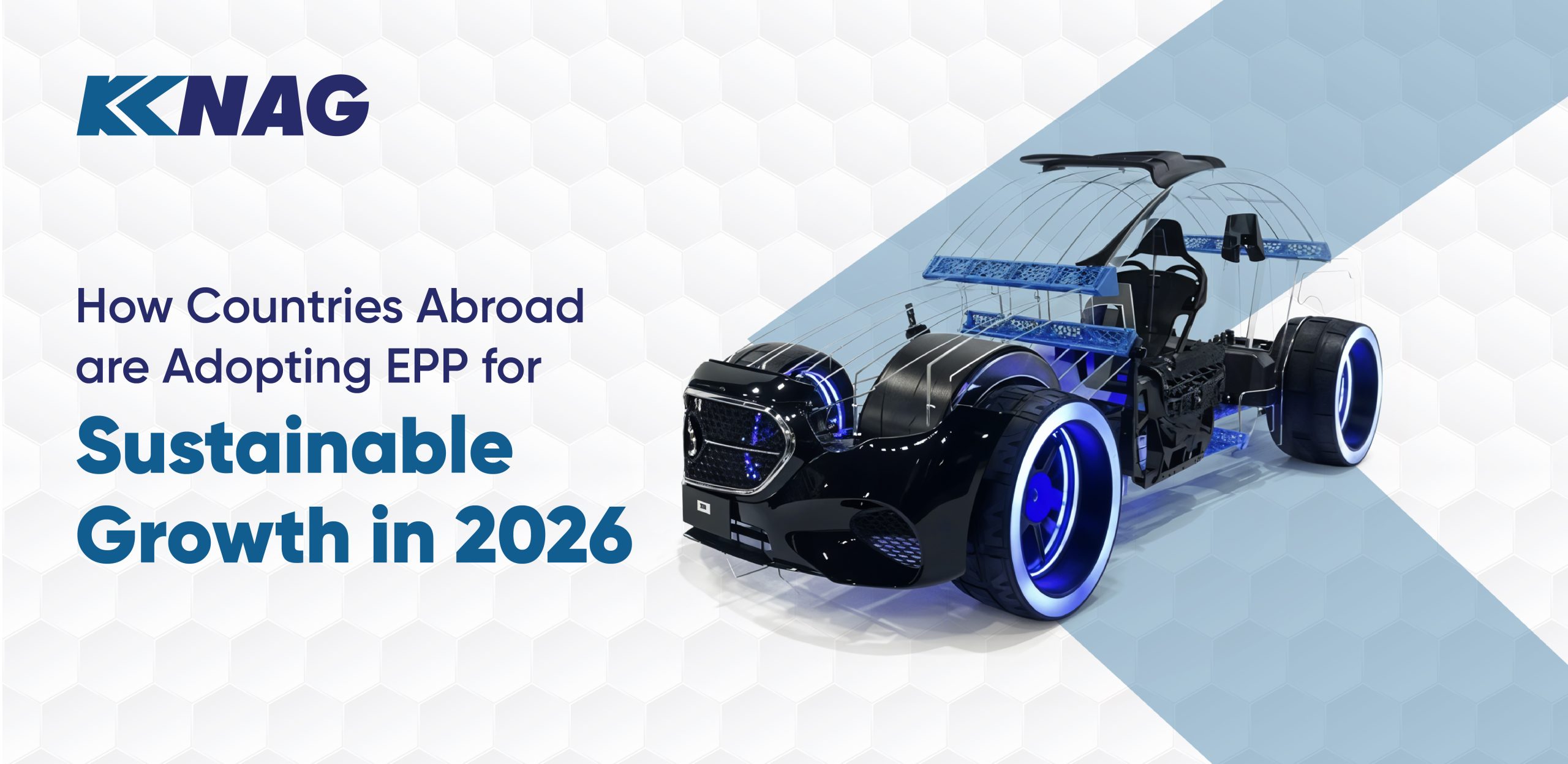
Sustainability is reshaping global manufacturing across industries as decision-makers strive to reduce emissions, cut waste and extend product lifecycles. Expanded polypropylene (EPP) continues to gain attention in transportation, packaging and technical components due to its low density, reliable energy absorption and recyclability. Global research estimates the expanded polypropylene foam market will grow from ₹17,306.31 Cr in 2025 to ₹22,327.83 Cr by 2030.
(USD 1.93 billion = approximately ₹17,306.31 Cr
USD 2.49 billion = approximately ₹22,327.83 Cr)
At K. K. Nag, we leverage decades of polymer foam expertise to estimate how these trends will impact material specifications, qualification standards and lifecycle expectations in 2026.
Table of Contents
Why EPP Supports Sustainable Growth
EPP supports sustainable growth because it delivers protection with far less material than many traditional options. The foam is mostly air, so it uses less polymer per part, needs moderate processing temperatures and can be reused across many trips before recycling. EPP, being a thermoplastic, can be recycled with a traditional recycling set up after certain intermediate steps.
In real applications, this means a single lightweight EPP insert can replace heavier multi-material packaging while offering the same protection. Lower weight helps cut transport emissions, while the combination of reusability and recyclability fits well with circular economy goals. As businesses look for ways to reduce environmental impact without sacrificing performance, EPP provides a practical route to more sustainable packaging and component design.
Global Signals for 2026
Reports indicate that the global expanded polypropylene foam market is poised for steady growth, with the Asia-Pacific region accounting for a 41.5% share in 2024. The region’s competitive raw material availability, supportive government policies that promote lightweight and sustainable materials and growing investment in electric vehicle manufacturing are accelerating expanded polypropylene market growth.
Common industry drivers include:
- Lightweighting and safety requirements in vehicles, including electric models
- Growth of reusable and protective packaging in logistics and e-commerce
- Strict environmental policies favouring recyclable mono-materials and long-life foams
- Rising use of EPP-based returnable dunnage to protect high-value components in the supply chain industry
- Increased adoption of EPP in HVAC systems for lightweight, stable and acoustically efficient housings and ducts
These forces point to a growing market for EPP as organisations refine their sustainability roadmaps. Based on our experience in bead-foam moulding, these signals suggest that organisations selecting foam materials for 2026 will evaluate not only cost and performance, but also recyclability, recovery infrastructure and supply-chain resilience.
Regional Adoption of EPP
When viewed collectively, certain patterns emerge, illustrating the global adoption of EPP across major manufacturing hubs.
- Europe
The European market is currently influenced by the new Packaging and Packaging Waste Regulation, PPWR, which mandates strict recyclability and recycled content targets by 2030. This is encouraging manufacturers to move from mixed material formats to mono material EPP solutions that are easier to recycle.
- Japan
In the Japanese market, EPP has helped automotive manufacturers improve energy management in vehicles while reducing overall part weight. This combination supports better safety performance, especially in impact absorbing components such as bumper systems. Over time, EPP has also enabled more favourable designs by pairing lightweight structures with durable seating and interior components.
- North America
Beyond lightweighting, North American EV manufacturers are adopting EPP for its Noise, Vibration and Harshness, NVH, performance. As quieter electric powertrains make road noise more noticeable, EPP plays an important role in sound dampening for cabin floors and door panels.
Conclusion
For Indian OEMs and exporters, these global shifts serve as a warning and an opportunity. To sell into Europe or North America in 2026, your packaging and components must meet their strict circularity standards.
At K. K. Nag, we help you bridge this gap. We do not just mould foam; we engineer solutions that ensure your products are export-ready, compliant with global sustainability norms and prepared for the future of manufacturing.
Featured Blogs
Global Market Trends in Rotomoulding in 2026: Key Drivers and Innovations
The global rotational moulding industry is entering 2026 on a steady growth path, driven by demand for durable, lightweight and material-efficient polymer components. As the automotive, agriculture, construction [...]
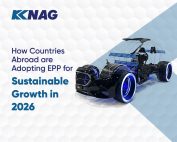
How Countries Abroad are Adopting EPP for Sustainable Growth in 2026
Sustainability is reshaping global manufacturing across industries as decision-makers strive to reduce emissions, cut waste and extend product lifecycles. Expanded polypropylene (EPP) continues to gain attention in transportation, [...]
What EV Manufacturers Need to Know About India’s PLI Scheme
India’s transition towards electric mobility is accelerating due to rising sustainability goals, localisation mandates and ongoing technological shifts in the automotive sector. The Production Linked Incentive (PLI) scheme [...]
How Global Trends in EPS are Shaping the Future of Packaging in 2026
Packaging systems across the world are undergoing major transformation and expanded polystyrene remains central to many of these changes. As industries balance performance with circularity, EPS is being [...]
Get in Touch with Us
We look forward to connecting with you!