How Global Trends in EPS are Shaping the Future of Packaging in 2026
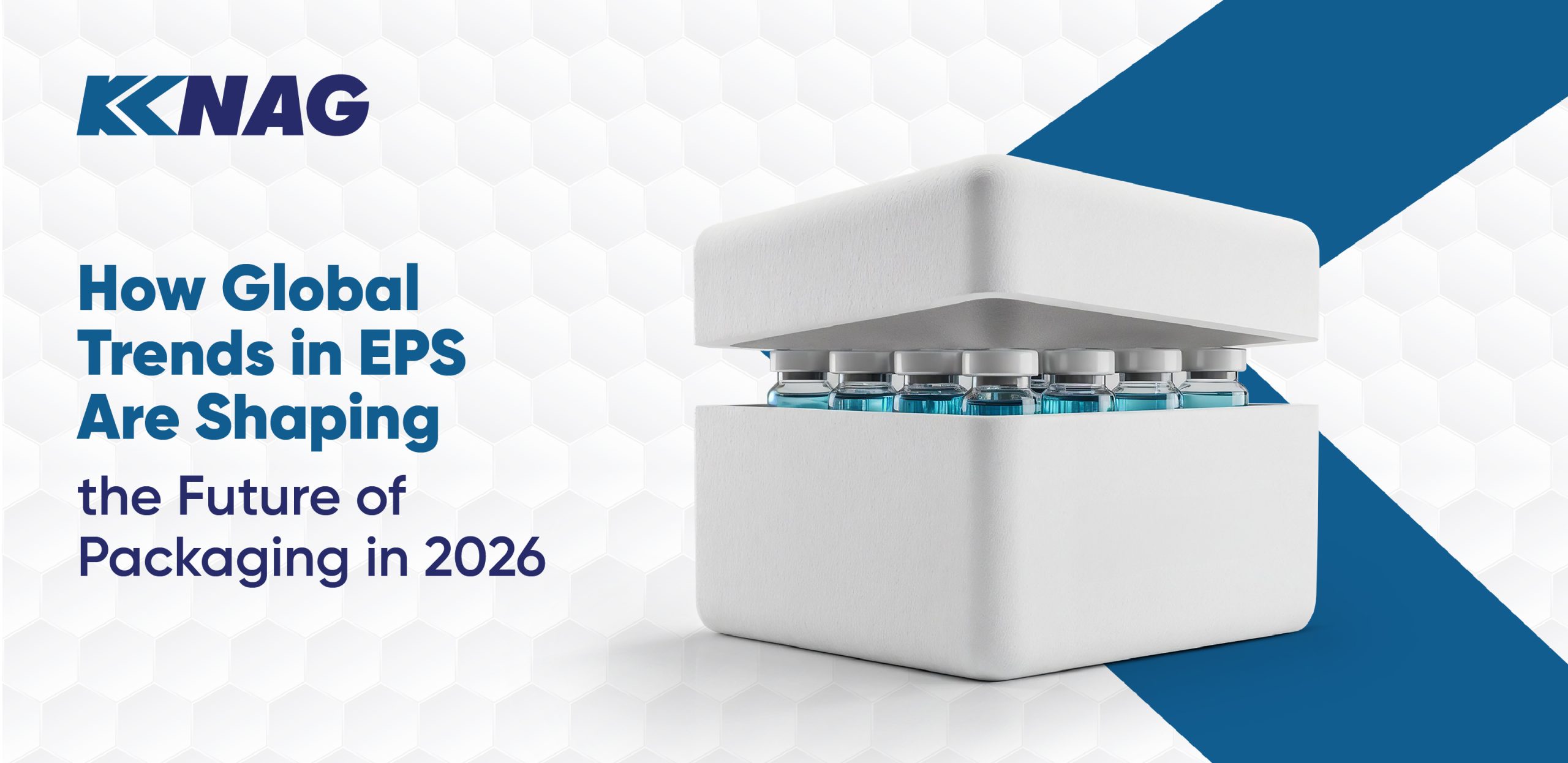
Packaging systems across the world are undergoing major transformation and expanded polystyrene remains central to many of these changes. As industries balance performance with circularity, EPS is being reconsidered not only for its well-known protective and insulating properties but also for its evolving recyclability and manufacturing innovations. By 2026, emerging global policies, cold chain expansion and shifts in materials science are expected to influence the way EPS is produced, reused and integrated into modern logistics. These trends highlight how both environmental expectations and engineering advancements are shaping the future of EPS foam.
Table of Contents
- 01. Global Market Growth Will Drive Material Innovation
- 02. Sustainability Pressures are Reshaping EPS Lifecycle Models
- 03. Cold Chain Logistics Will Strengthen EPS Demand
- 04. Global Regulations are Pushing Material Standardisation
- 05. Digitised Manufacturing Will Accelerate EPS Efficiency
- 06. Hybrid and Advanced Material Technologies are Emerging
- 07. The 2026 Outlook: EPS as a Part of a Circular, High-Performance Packaging Ecosystem
- 08. Conclusion
Global Market Growth Will Drive Material Innovation
The global Expanded Polystyrene (EPS) for packaging market size has been expanding due to consistent demand from e-commerce, pharmaceuticals and perishable food distribution.Growing demand for insulated packaging and protective cushioning solutions has sustained the continued use of efficient, light and high-performance EPS grades across packaging applications.
In 2026, this demand is expected to accelerate innovation around:
- High-strength EPS foams for heavy equipment packaging
- Low-density variants to reduce material weight and logistics impact
- Improved bead fusion technologies that allow tighter tolerances and cleaner edges
- Fire-retardant EPS grades shaped by construction insulation requirements across parts of Europe
These developments make EPS more adaptable across diverse industries while keeping the material cost-effective and easy to process.
Sustainability Pressures are Reshaping EPS Lifecycle Models
Global sustainability mandates are one of the strongest forces influencing the future of EPS foam. Countries across Europe, Asia and North America are tightening policies around waste, recyclability and circular material flows. As a result, sustainable EPS packaging is shifting from an optional offering to an operational necessity.
Key sustainability-driven trends include:
- Increased mechanical recycling capacity
Many regions are expanding EPS collection and recycling channels, enabling higher recovery rates. Advanced sorting and compacting technologies are helping integrate EPS into municipal recycling ecosystems. - Adoption of material reprocessing loops
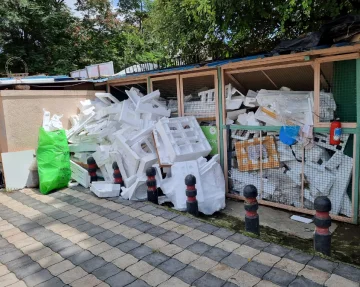
Manufacturers and packers are increasingly using recyclable EPS solutions in closed-loop systems – especially where packaging is returned from distribution networks for reprocessing. - Reduction of waste-to-landfill
Lightweight EPS can be densified or compacted easily, reducing transportation footprint and enabling efficient recovery for reuse. - Shift toward mono-material packaging
Global brands are rethinking packaging structures to eliminate multi-material combinations, making EPS components easier to recycle.
By 2026, sustainability will influence not only how EPS is disposed of, but how it is designed, collected and reintegrated into the packaging economy.
Cold Chain Logistics Will Strengthen EPS Demand
EPS in cold chain logistics remains an essential component for pharmaceuticals, vaccines, biologics, seafood and temperature-sensitive foods. As global supply chains become more complex, the need for stable insulation materials is growing.
Trends driving cold chain EPS demand include:
- Increased distribution of biologics and speciality pharmaceuticals
- Growth of e-commerce grocery and meal-kit delivery
- Expanded export of perishable foods from emerging markets
- Higher thermal protection requirements for long-haul transport
EPS continues to be preferred because it provides predictable thermal performance, is lightweight and can be produced in custom densities and shapes to suit diverse product profiles. In 2026, more temperature-control packaging is expected to combine EPS with phase-change materials or advanced liners for precise thermal mapping.
Global Regulations are Pushing Material Standardisation
Regulatory changes in key export markets, particularly within the European Union, are shaping how EPS packaging is engineered around clearly defined recyclability requirements.
By 2026, regulations will likely result in:
- Wider adoption of standardised EPS grades for smoother recycling
- Restrictions on single-use applications in non-recyclable contexts
- Incentives for using EPS with recycled content, where possible
- Extended Producer Responsibility (EPR) frameworks, which require better waste collection and segregation
These changes will encourage manufacturers to adopt consistent formulations and clearer labelling, making EPS easier to process at end-of-life.
Similar regulatory tightening is also emerging across other major markets. In India, expanded Extended Producer Responsibility mandates are driving higher recycled content targets (e.g., 30% by 2025-26 for plastics), enhanced traceability requirements such as QR coding and the phased removal of select single-use applications.
Comparable measures are being introduced in markets such as the United Kingdom, where mandatory waste segregation and landfill diversion requirements are influencing packaging recovery and material selection.
Together, these developments reinforce a global shift toward producer accountability, lower reliance on virgin materials and more circular packaging systems.
Digitised Manufacturing Will Accelerate EPS Efficiency
Automation, data-driven process monitoring and energy-efficient moulding systems are becoming central to modern packaging manufacturing. Across global industries, digitalisation is influencing how expanded polystyrene packaging is produced.
Key advancements include:
- Smart steam management to reduce energy consumption
- Automated moulding equipment designed for precise bead fusion
- Data analytics for monitoring density consistency and curing times
- Improved tool design for faster mould changes and production flexibility
These improvements help manufacturers reduce energy usage, achieve consistent part quality and optimise the overall lifecycle footprint of EPS components.
Hybrid and Advanced Material Technologies are Emerging
While EPS continues to be widely used, new hybrid structures are also being tested. These trends do not replace EPS but complement it by extending performance possibilities.
Examples include:
- EPS paired with advanced liners for extended temperature retention
- EPS cores integrated into multi-layer packaging for improved strength
- EPS combined with recycled content while maintaining structural integrity
Such innovations reflect the global shift toward performance-driven and sustainable EPS packaging.
The 2026 Outlook: EPS as a Part of a Circular, High-Performance Packaging Ecosystem
Looking ahead, the future of EPS foam lies in integrating performance with sustainability. By 2026, the global packaging industry is expected to focus on:
- Circular material flows using recyclable EPS solutions
- Optimised product-to-packaging ratios to reduce waste
- High-performance insulation for expanding cold chain networks
- Design-for-recycling principles
- Material lightweighting for lower emissions in transport
EPS will remain a core packaging material worldwide because of its ability to deliver protective strength, thermal stability, manufacturing flexibility and low weight – all while evolving to support modern sustainability standards.
Conclusion
The global trends shaping EPS packaging in 2026 reflect a balance between performance requirements and environmental responsibility. As industries expand cold chain networks, adopt digitised production and embrace recyclability, expanded polystyrene packaging continues to adapt through improved material science, efficient manufacturing and circular economy principles. These shifts ensure that EPS remains a relevant and valuable material for the future of global packaging systems.
Featured Blogs
Global Market Trends in Rotomoulding in 2026: Key Drivers and Innovations
The global rotational moulding industry is entering 2026 on a steady growth path, driven by demand for durable, lightweight and material-efficient polymer components. As the automotive, agriculture, construction [...]
How Countries Abroad are Adopting EPP for Sustainable Growth in 2026
Sustainability is reshaping global manufacturing across industries as decision-makers strive to reduce emissions, cut waste and extend product lifecycles. Expanded polypropylene (EPP) continues to gain attention in transportation, [...]
What EV Manufacturers Need to Know About India’s PLI Scheme
India’s transition towards electric mobility is accelerating due to rising sustainability goals, localisation mandates and ongoing technological shifts in the automotive sector. The Production Linked Incentive (PLI) scheme [...]
How Global Trends in EPS are Shaping the Future of Packaging in 2026
Packaging systems across the world are undergoing major transformation and expanded polystyrene remains central to many of these changes. As industries balance performance with circularity, EPS is being [...]
Get in Touch with Us
We look forward to connecting with you!