EPS in Air Cooler and Air Conditioner Packaging: Cushioning Heavy, Delicate Units
Air coolers and air conditioners present a unique packaging challenge. These appliances are often bulky and heavy, yet they house delicate components, such as coils, compressors and electronic controls, as well as external plastic panels, all of which are vulnerable to impact and vibration.
During transportation, appliances may be exposed to drops, stacking loads, sudden movement and long transit durations. Inadequate packaging can lead to cosmetic damage, functional issues or internal misalignment. As distribution networks expand and appliances move through multiple handling points, the need for reliable appliance transit packaging becomes increasingly important.
Table of Contents
- 01. Importance of protective packaging during transit
- 02. Advantages of EPS in packaging
- 03. EPS cushioning for heavy appliances
- 04. Examples of EPS in action for appliance packaging
- 05. Sustainability and recyclability of EPS packaging
- 06. Role of EPS packaging in efficient logistics
- 07. Conclusion
Packaging solutions must therefore balance strength and cushioning while accommodating varied appliance sizes and shapes. This has made protective packaging for air conditioners and coolers a critical consideration for manufacturers and logistics providers.
As a result, EPS protective inserts are increasingly used to meet the performance requirements of appliance transit packaging.
Importance of protective packaging during transit
Protective packaging plays a key role in preserving product integrity from the factory to the installation site. For air conditioning units and air coolers, packaging must manage both static loads during storage and dynamic forces encountered during handling and transport.
Effective impact protection packaging helps absorb shocks caused by drops or sudden movements, reducing the likelihood of damage to sensitive internal components. At the same time, packaging must maintain appliance stability within the carton to prevent shifting that could lead to abrasion or stress on structural elements.
Consistent packaging performance also supports efficient logistics operations by reducing returns, rework and inspection delays.
Packaging for delicate electrical equipment needs reliability during transit to maintain product quality and customer confidence.
Advantages of EPS in packaging
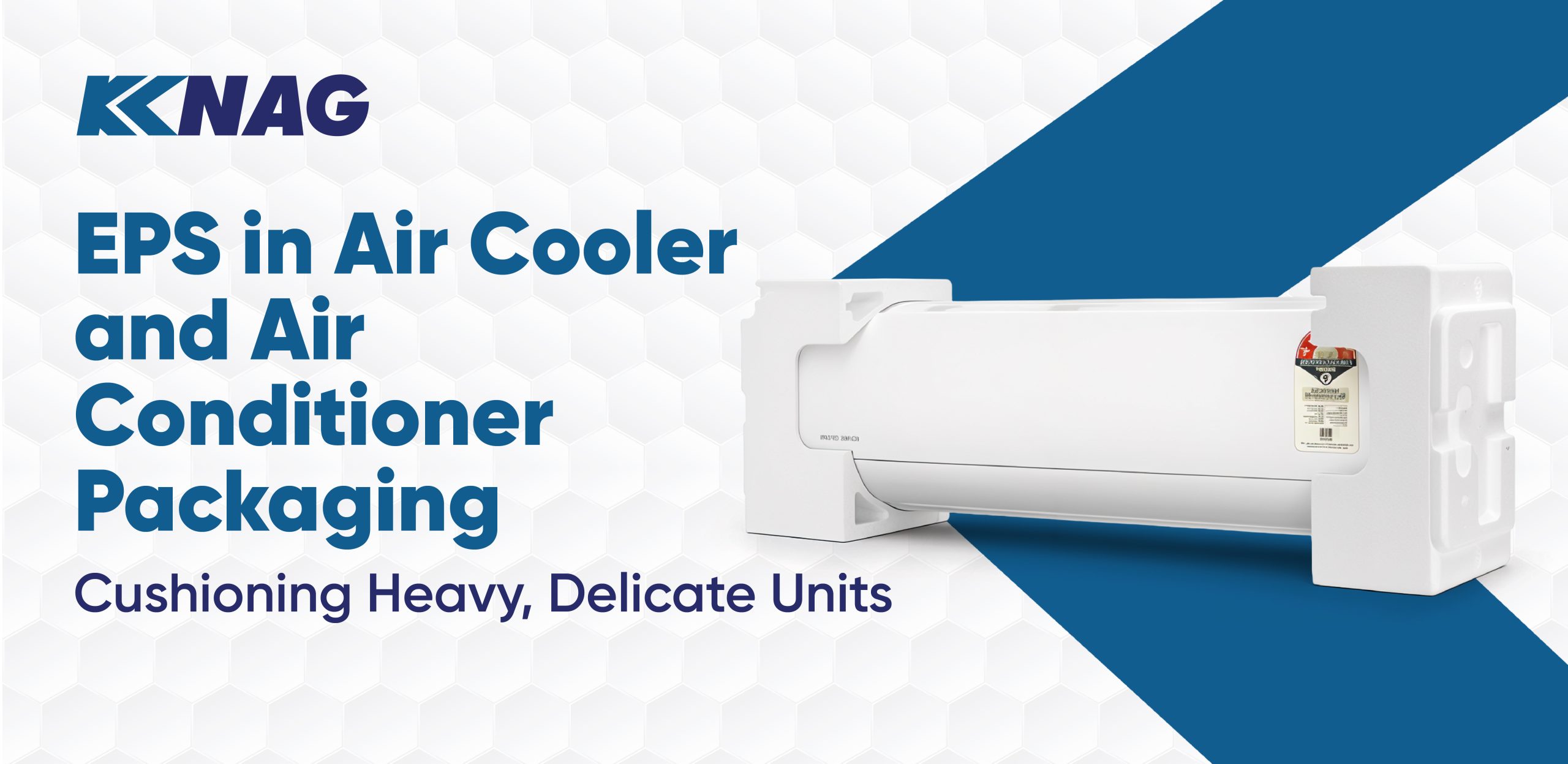
Expanded polystyrene is widely used in appliance packaging due to its cushioning performance, lightweight structure and mouldability. EPS packaging for air conditioners and air coolers is designed to protect appliances without adding excessive weight to shipments.
One of the key advantages of EPS cushioning for appliances is its ability to absorb and distribute impact energy. The cellular structure of EPS compresses under load, reducing the force transmitted to the appliance. This makes it suitable for protecting heavy units against common transit impacts.
EPS is also lightweight, which helps minimise overall package weight and supports easier manual handling. Despite its low density, the material provides sufficient strength to support heavy appliances during stacking and storage.
Another advantage is design flexibility. EPS packaging can be moulded into shapes that fit specific appliance geometries, supporting secure positioning within cartons. This customisation reduces movement during transit and enhances impact protection.
EPS cushioning for heavy appliances
This targeted support is typically achieved through precision appliance EPS moulding, which enables packaging to match the exact load paths of each appliance design.
Air conditioners and air coolers often include components with uneven weight distribution, such as compressors located toward one side of the unit. EPS cushioning for appliances can be engineered to provide targeted support at load-bearing points.
By cradling the appliance and creating defined contact areas, EPS packaging helps distribute weight more evenly and reduce stress on vulnerable components. This is particularly important for large-format air conditioning units that may experience higher loads during stacking or transport.
EPS cushioning elements also contribute to vibration damping during long-distance transport. This helps protect electrical connections and internal assemblies from gradual loosening or fatigue.
Examples of EPS in action for appliance packaging
EPS packaging for air conditioners commonly includes corner protectors, base supports and top caps that stabilise the unit within the carton. These components help protect edges and corners, which are particularly susceptible to damage.
For air coolers, EPS packaging is often used to support the base and side panels while allowing airflow channels or protruding parts to remain protected. Custom-moulded EPS elements can accommodate variations in cooler design while maintaining consistent protection levels.
In both cases, EPS packaging solutions are designed to work as part of a system that includes outer cartons, strapping and handling guidelines. This integrated approach helps ensure that appliances arrive at their destination in suitable condition.
Sustainability and recyclability of EPS packaging
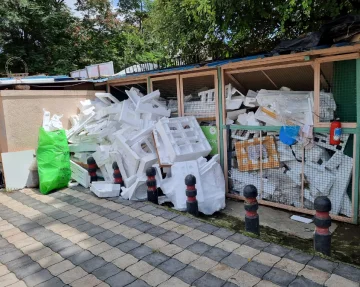
EPS packaging supports sustainability in air conditioner and air cooler shipments by offering strong protection without the bulk. Its low weight reduces shipment load, cutting fuel consumption and reducing transport emissions while maintaining impact resistance.
After use, clean EPS can be 100% recycled. The RecyCole initiative by K. K. Nag offers a structured collection system for post-use EPS from appliance packaging, actively diverting material away from landfills and back into productive use.
Role of EPS packaging in efficient logistics
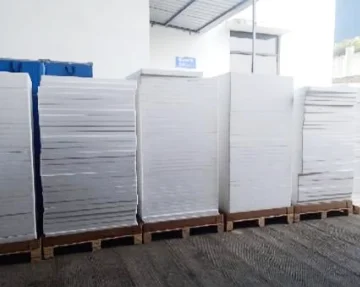
Beyond protection, EPS packaging supports logistics efficiency by enabling stable stacking and predictable load behaviour. This helps optimise storage and transportation space while reducing the risk of packaging failure.
Lightweight packaging also contributes to easier handling and may support fuel efficiency during transport. For large-scale appliance distribution, these incremental efficiencies can be operationally significant.
In this context, EPS packaging continues to be a practical solution for managing the challenges associated with transporting heavy and delicate electrical appliances.
Conclusion
Packaging heavy and delicate appliances such as air coolers and air conditioners requires solutions that combine strength, cushioning and design adaptability. EPS in air cooler and air conditioner packaging addresses these needs by providing impact protection, stability and lightweight support.
Through its use in protective packaging for air conditioners, EPS cushioning for appliances and broader appliance transit packaging systems, EPS plays an important role in reducing transit-related damage and supporting reliable appliance delivery across supply chains. Download our case study to see how engineered EPS solutions improve protection, efficiency and delivery reliability.
Featured Blogs
EPP Dunnage Solutions for Sensitive Electronic and Sensor Components
Modern electronics manufacturing relies on the continuous movement of sensitive components between suppliers, production facilities and assembly plants. Printed circuit board (PCB) assemblies, sensor modules, electronic control units [...]
EPP Toys for Indoor Play Areas: Combining Safety, Durability and Design Flexibility
Indoor play spaces have evolved far beyond simple playrooms with a handful of toys. Today's schools, daycare centres, activity zones, children's museums and family entertainment centres are creating [...]
The Role of Rotomoulded Flotation in Offshore Wind and Marine Infrastructure
Offshore renewable energy is ushering in a new phase of growth as countries invest in cleaner power generation and strong coastal infrastructure. Alongside offshore wind farms, marine industries [...]

EPS Solutions for 5G: Building Lightweight and Reliable Telecom Infrastructure
The global rollout of 5G networks is transforming industries by enabling faster connectivity, lower latency and support for emerging technologies such as the Internet of Things (IoT), autonomous [...]
Get in Touch with Us
We look forward to connecting with you!