How EPP is Shaping the Future of Global Drone Manufacturing
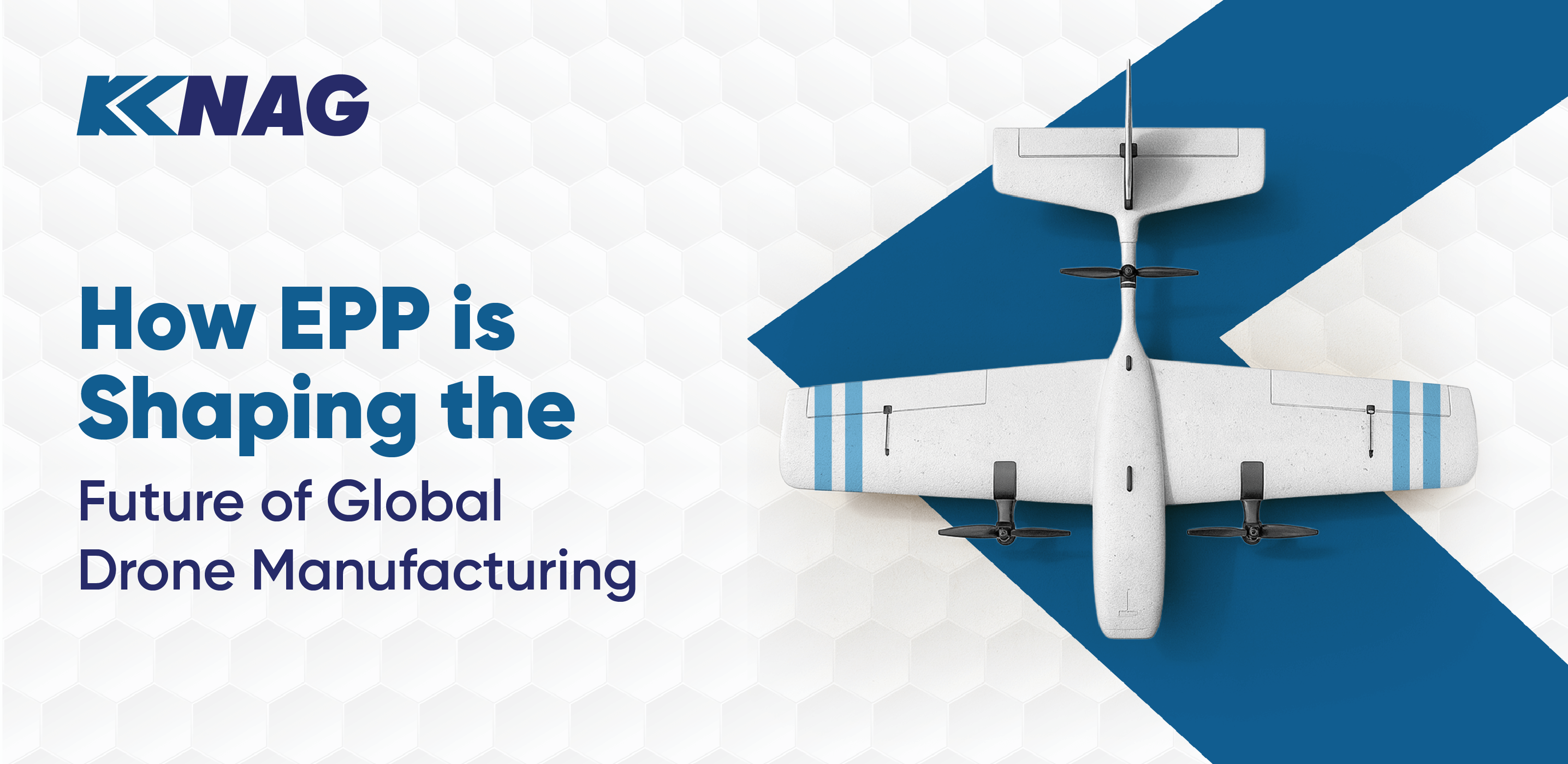
Drones have transitioned from being futuristic gadgets to essential tools in a remarkably short period. They survey construction sites, inspect wind turbines, carry medical supplies, support defence operations and capture high-resolution imagery for agriculture and film. The global drones market was valued at approximately USD 30.7 billion (INR 27,596 Crore) in 2024 and is projected to reach approximately USD 74.8 billion (INR 67,232 Crore) by 2033, growing at more than 10 per cent a year.
This rapid growth is attributed to more than just smarter software or better batteries. As fleets expand and missions become more complex, the physical platform matters just as much as the electronics inside. The question today stands at how one can manufacture a drone that’s light, durable and scalable.
Table of Contents
From Airframe to Landing: What Materials Must Do
Weight remains the defining constraint in drone engineering. A heavier platform limits endurance and carrying capacity. At the same time, the structure must withstand repeated launches, turbulence, landing impact and variations in temperature and humidity.
This is why the question ‘what materials are used in drone bodies’ shapes core design strategies. Airframes, wings, landing gear and protective components must offer:
- Low density to support range and load capacity
- Impact absorption around sensitive electronics
- Stability across temperature, moisture and chemical exposure
- Efficient manufacturability at scale
Traditional choices have included metals and composite laminates. As drones grow more advanced and widespread, manufacturers are leveraging engineered polymers and bead foams that can deliver high performance with predictable production behaviour.
Understanding EPP in Drone Manufacturing
As a polypropylene bead foam, Expanded Polypropylene (EPP) combines a closed-cell structure with notable toughness, allowing it to be moulded into solid yet lightweight forms. It is recognised for its adaptability, recyclability and impact resistance, making it suitable for applications that require mechanical resilience and long service life.
The material has demonstrated consistent structural behaviour in demanding applications such as automotive and electronics, which aligns well with the requirements of drone airframes and protective parts. Its strength-to-weight characteristics and vibration-damping ability support components such as airframe panels and housings.
EPP performs reliably across a temperature range from -40°C to -20°C at the low end, up to 120°C to 140°C at the high end, making it well-suited for drone operating environments.
It also gives drone designers a stable foundation to work with: it keeps overall mass low, absorbs operational vibration and provides the rigidity needed for external shells and internal mounts.
In practice, expanded polypropylene for drones offers a solution that aligns with modern engineering demands.
Why EPP Aligns with Global Drone Design Trends
Across sectors and regions, drone programmes share similar objectives. Longer flight time, greater load-carrying capability, better sensors and tougher operating cycles are consistent demands.
Research on the global drone components category shows that growth is being driven by the need for lighter frames, energy-efficient structures and enhanced integration.
When design teams consider lightweight materials for drones, EPP emerges as a strong candidate. Its combination of lightweight structure, durability and manufacturing flexibility aligns well with the evolving requirements of modern drone platforms.
Where EPP Fits in the Drone Itself
EPP supports several drone applications, such as:
- Frames and wings where stiffness and low mass must be balanced
- Protective housings for cameras, sensors and communication modules
- Landing gear that needs to absorb frequent ground contact
- Propeller guards that must be light, safe and stable
Additionally, as a superior drone packaging material, EPP excels in protecting UAVs during transport from vibration and impact. EPP trays and cases offer cushioning, precise fit, lower transport weight and reuse across multiple logistics cycles.
Manufacturing Realities: From Prototype to Production
Drone manufacturing must account not only for flight performance but also for production feasibility and efficiency. EPP moulding enables the production of intricate geometries such as wing sections and nose foams in a single operation. This reduces part counts and simplifies the assembly process.
Consistent material behaviour also plays a key role in accelerating prototype development. Since EPP behaves predictably during moulding, design teams can iterate faster with fewer adjustments between early prototypes and subsequent builds. This shortens development cycles and supports a smoother transition from prototype validation to production-ready designs.
A Material Choice that Shapes Strategy
Material selection influences whether drones meet targets for efficiency, reliability and cost. While it may not be the most visible design decision, it has a significant impact on overall performance. Teams that evaluate the full capabilities of EPP often find that it helps balance the need for low mass, reliable protection and efficient manufacturability.
With decades of experience working with EPP, K. K. Nag has been among the early adopters of advanced bead foam moulding in India. Our expertise in producing lightweight, complex and durable components supports drone manufacturers in their quest for reliable materials for both development and scaled production.
As global drone systems continue to advance, the capabilities behind EPP will play a critical role in building platforms that meet the demands of modern flight.
Featured Blogs
EPP Dunnage Solutions for Sensitive Electronic and Sensor Components
Modern electronics manufacturing relies on the continuous movement of sensitive components between suppliers, production facilities and assembly plants. Printed circuit board (PCB) assemblies, sensor modules, electronic control units [...]
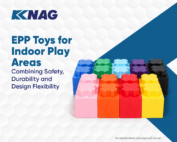
EPP Toys for Indoor Play Areas: Combining Safety, Durability and Design Flexibility
Indoor play spaces have evolved far beyond simple playrooms with a handful of toys. Today's schools, daycare centres, activity zones, children's museums and family entertainment centres are creating [...]
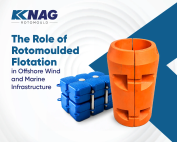
The Role of Rotomoulded Flotation in Offshore Wind and Marine Infrastructure
Offshore renewable energy is ushering in a new phase of growth as countries invest in cleaner power generation and strong coastal infrastructure. Alongside offshore wind farms, marine industries [...]
EPS Solutions for 5G: Building Lightweight and Reliable Telecom Infrastructure
The global rollout of 5G networks is transforming industries by enabling faster connectivity, lower latency and support for emerging technologies such as the Internet of Things (IoT), autonomous [...]
Get in Touch with Us
We look forward to connecting with you!