Transport of Live Fish: How EPS Boxes Improve Survival and Efficiency
India’s fisheries sector has grown steadily, driven by increasing aquaculture output and the development of cold chain systems. According to a 2023 report by the Ministry of Fisheries, Animal Husbandry and Dairying, India is the third-largest fish-producing country, contributing 8% to global fish production and ranking second in aquaculture output.
Driven by the Pradhan Mantri Matsya Sampada Yojana (PMMSY), the market is showing a significant rise. A 2024 report from the aforementioned ministry highlights a significant shift towards inland fisheries, which now contribute nearly 70% of India’s total fish production. As aquaculture expands, maintaining the quality of live fish during transport has become critical for both farmers and exporters.
Table of Contents
Critical Challenges of Live Fish Transport
- During movement, fish often collide with the container walls due to vibration, turbulence or sudden motion. Without proper cushioning, this can cause bruising, fin damage or shock.
- Even minor changes in temperature or oxygen levels during transit can result in higher mortality, weight loss or increased disease susceptibility.
- Poorly managed water parameters or inadequate cushioning can intensify stress, reducing the fish’s ability to recover after transport.
- Insulated boxes or poorly ventilated containers can trap heat, leading to rapid temperature spikes. This is especially critical during long-distance transport or when boxes are stacked.
Why EPS Boxes Are Used in Live Fish Transportation
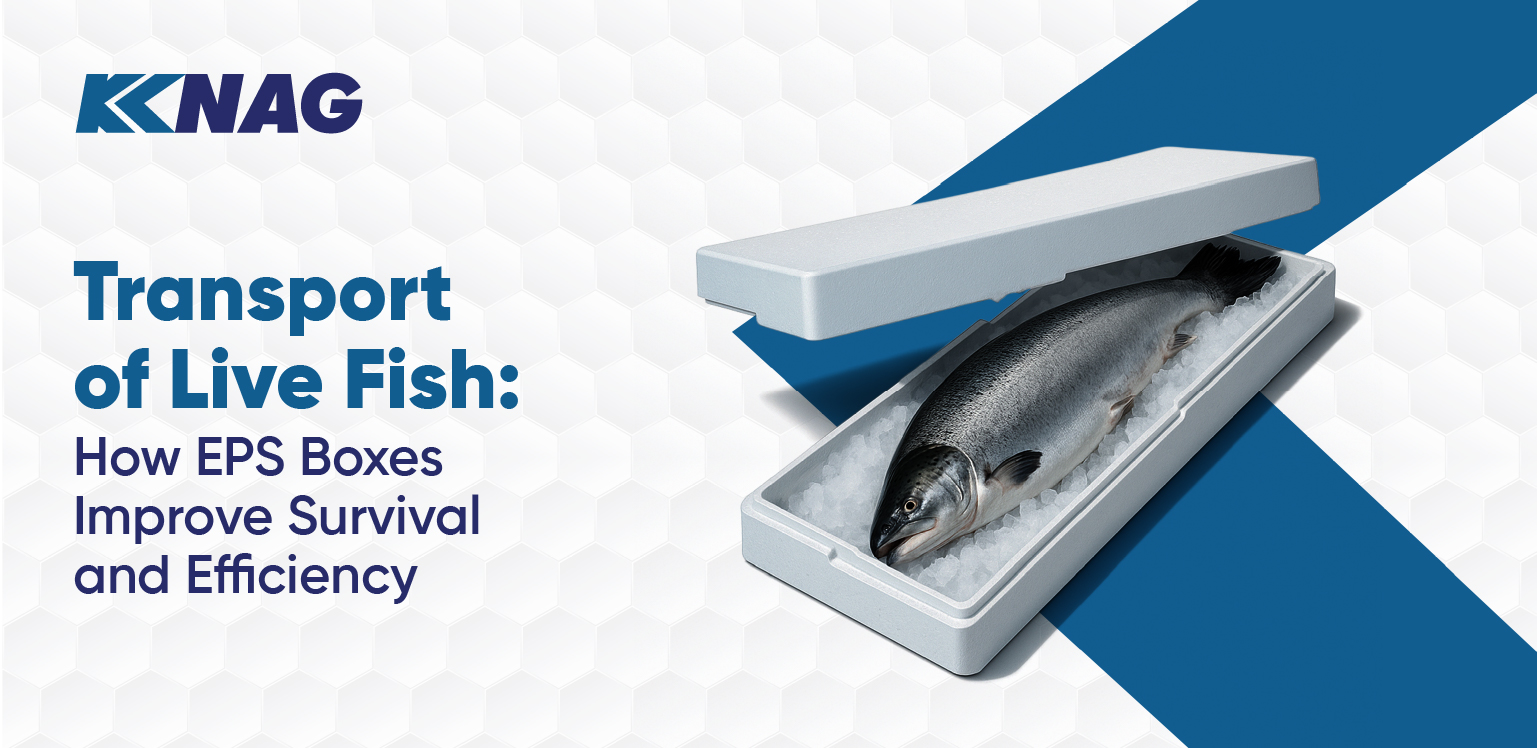
Custom-designed insulated fish boxes for aquaculture are often made of Expanded Polystyrene (EPS) because:
- Thermal insulation maintains stable water and air temperatures during transport, reducing stress and mortality in live fish.
- Moisture resistance prevents box weakening in wet handling environments and during prolonged storage in chillers.
Shock absorption from EPS’s closed-cell structure cushions live fish against handling and road vibrations.
- High strength-to-weight ratio enables double or triple stacking on pallets without adding extra load.
- Configurable designs with drain channels, aeration vents and secure lids help maintain oxygen balance and prevent spillage during transit.
In practice, selecting the right EPS fish transport box requires attention to insulation rating, internal fit and ventilation patterns, as these directly affect fish survival and water stability during long-distance haulage.
Benefits of EPS for Live Fish Transport
Transporting live fish requires packaging that safeguards their health throughout the journey. EPS fish transport boxes are designed for this purpose, helping fish remain stable and healthy from departure to arrival.
Key features of EPS fish transport boxes
- Secure closures: Well-fitting lids or clips help prevent leaks and keep containers secure during movement.
- Ventilation features: Strategically placed holes support air exchange and help maintain appropriate oxygen levels.
- Customisable options: Sizes and internal layouts can be tailored for different species, bag formats and stocking densities.
Together, these characteristics make EPS fish boxes a reliable choice for improving survival rates and supporting safe, low stress transport of live fish.
Also Read: The Role of Thermocol Boxes in the Cold Chain Logistics for Fish
Step-by-Step Process For Transporting Live Fish In EPS Boxes
Here are the steps that are followed to transport live fish through EPS Boxes:
1. Pre-condition the fish: Fish are fasted and checked for overall health to minimise stress and reduce waste during long-distance travel.
2. Prepare water and packaging materials: Transport water is treated and matched to tank conditions. EPS boxes, liners, cushioning materials and oxygenated bags are prepared along with heat or cold packs for temperature control.
3. Pack the fish: Fish are placed in oxygen-filled bags and then the bag is placed directly into the EPS boxes at the correct stocking density, ensuring proper cushioning to prevent movement and injury.
4. Seal and label the boxes: EPS boxes are closed securely and labelled with species details, handling instructions and destination information for safe international handling.
5. Load for transport: Boxes are handled carefully and positioned securely to avoid vibration, temperature rise or compression during air or road transport.
6. Monitor during transit: Temperature, ventilation and overall transport conditions are kept in check to maintain fish health throughout the journey.
7. Unload and acclimate: Once the shipment arrives, fish are inspected and gradually acclimated to the destination water before transfer.
EPS in Aquaculture: Sustainable and Responsible Use
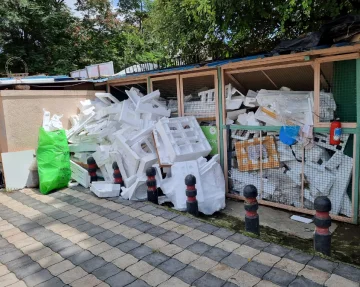
EPS is 100% recyclable and supported by robust recovery networks across major aquaculture markets. Several European nations have established EPS collection and recycling systems for fish boxes. (Source: EUMEPS Recycling Network) In the United Arab Emirates, authorised recyclers accept EPS for processing at dedicated facilities. (Source: STYRO UAE Recycling)
In India, K. K. Nag Private Limited operates the RecyCole programme, which mechanically recycles used EPS to reduce landfill waste and promote circular reuse of materials. Such initiatives ensure that sustainable packaging in aquaculture aligns environmental responsibility with technical performance, helping farmers and exporters adopt cleaner, closed-loop practices without compromising quality or durability.
Conclusion
From hatcheries to international cargo terminals, EPS packaging plays a vital role in ensuring live fish reach their destination safely and efficiently. The thermocol box for fish transport delivers unmatched insulation, strength and hygiene for the growing aquaculture industry.
At K. K. Nag, our EPS fish transport boxes stand out because they are made with consistent material quality, stable structural strength and designs shaped by years of working directly with India’s aquaculture community. This results in boxes that maintain their form during long hauls, support healthier fish on arrival and reduce handling losses. With our RecyCole recycling programme, we also ensure a responsible end-of-life solution that supports both efficiency and sustainability in seafood logistics.
Learn more about our EPS solutions and how they best fit your needs, at Expanded Polystyrene (EPS) Manufacturer in India – K. K. Nag
Featured Blogs
EPP Dunnage Solutions for Sensitive Electronic and Sensor Components
Modern electronics manufacturing relies on the continuous movement of sensitive components between suppliers, production facilities and assembly plants. Printed circuit board (PCB) assemblies, sensor modules, electronic control units [...]
EPP Toys for Indoor Play Areas: Combining Safety, Durability and Design Flexibility
Indoor play spaces have evolved far beyond simple playrooms with a handful of toys. Today's schools, daycare centres, activity zones, children's museums and family entertainment centres are creating [...]
The Role of Rotomoulded Flotation in Offshore Wind and Marine Infrastructure
Offshore renewable energy is ushering in a new phase of growth as countries invest in cleaner power generation and strong coastal infrastructure. Alongside offshore wind farms, marine industries [...]

EPS Solutions for 5G: Building Lightweight and Reliable Telecom Infrastructure
The global rollout of 5G networks is transforming industries by enabling faster connectivity, lower latency and support for emerging technologies such as the Internet of Things (IoT), autonomous [...]
Get in Touch with Us
We look forward to connecting with you!